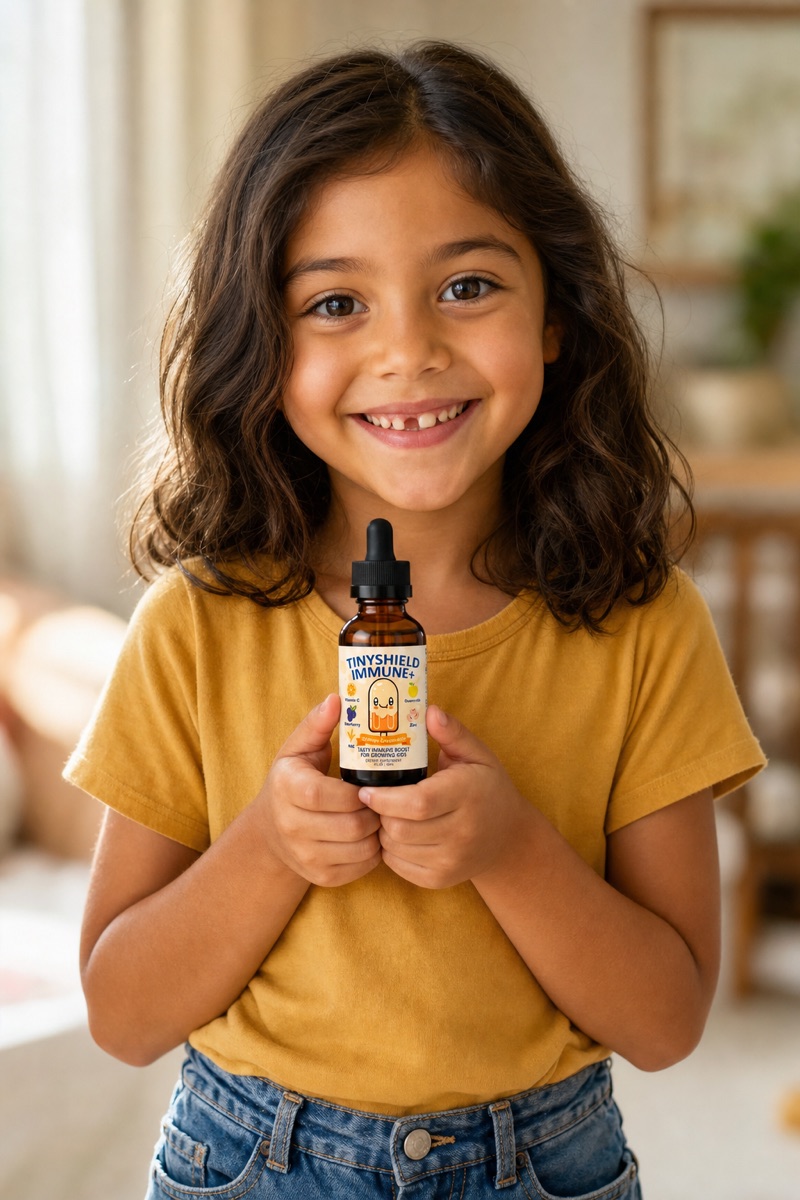
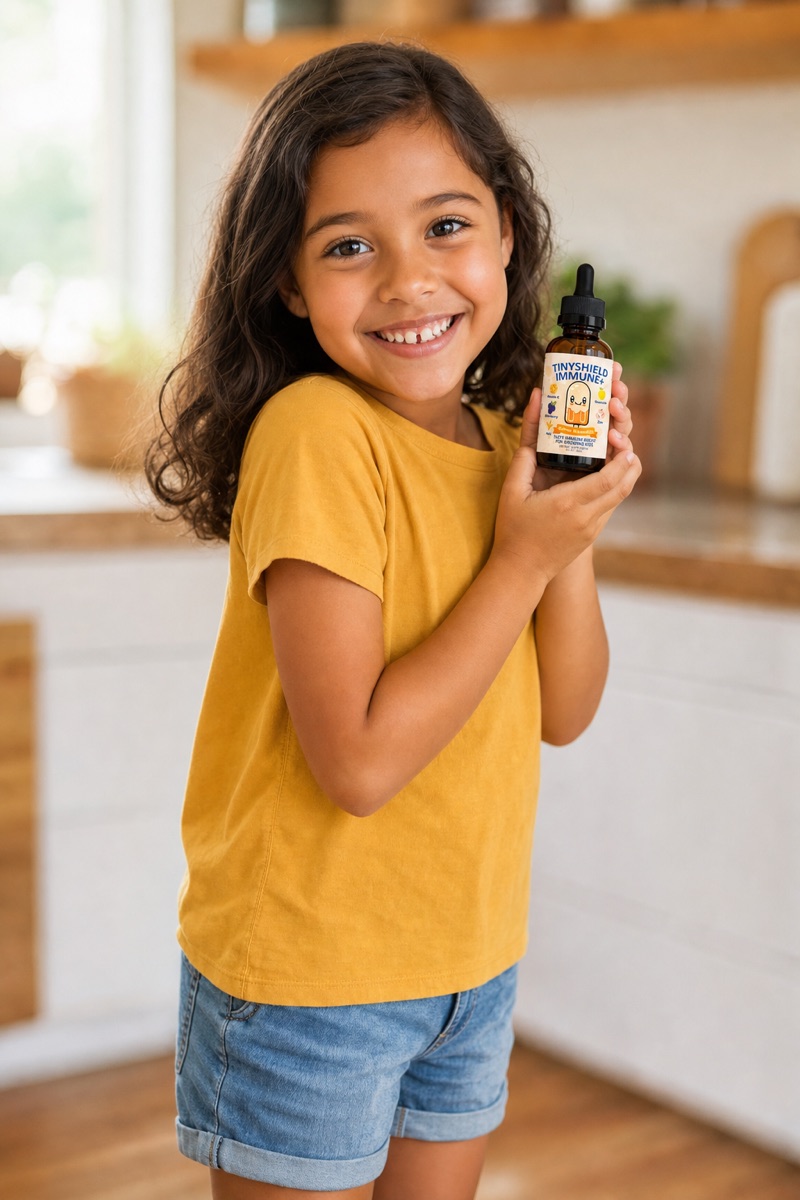
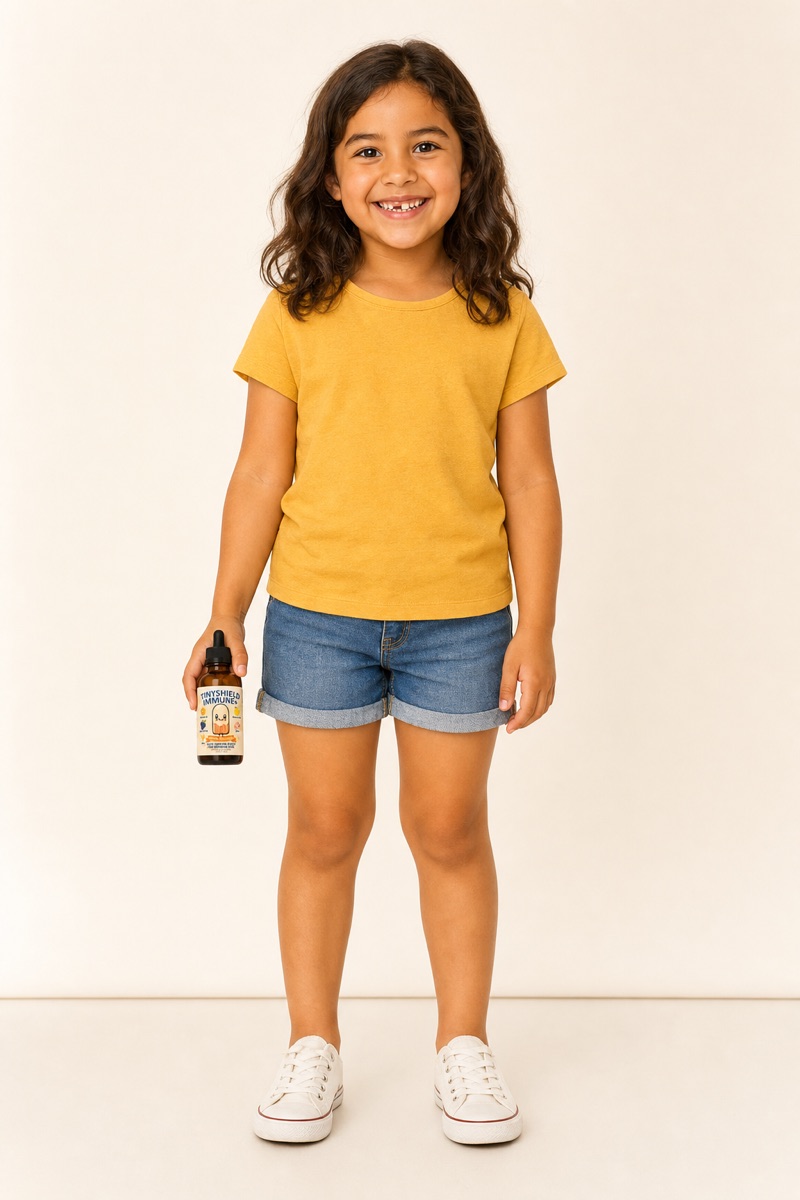
Same identity paragraph, same real product cutout, one call per pose. The third one is left in on purpose: it is where the rule below came from.
A directed pose library for on-model product and apparel shots. 103 poses, each tagged on seven fields, so the model gets an actual brief instead of "a person holding this."
Lock the model → pick the pose → one call per shot → check the tells → ship.
Same identity paragraph, same real product cutout, one call per pose. The third one is left in on purpose: it is where the rule below came from.
Above it, the label reconstructs faithfully from your reference image. Below it, the model paraphrases it into mush. The only variable between the clean shots and the broken one was how large the bottle sat in frame.
If the label has to read, do not shoot full body. And if you genuinely need a full-body shot, composite the product in post rather than re-rolling. The model is not going to hold a small label, however many attempts you buy.
Every pose is seven fields. Written into the prompt in this order, because framing stated late produces a full body shot captioned "close-up," and gaze stated early gets overwritten into a dead-centre stare.
| Field | Controls | Values |
|---|---|---|
| Gender | the model | Male / Female |
| Age | the model | bracket, e.g. Young adult (25-32) |
| Framing | the crop | Full body / Three-quarter / Waist-up / Chest-up / Close-up |
| Posture | the physical action | Standing / Walking / Seated / Leaning / Crouching / Kneeling / Lying / Jumping / Crawling |
| Orientation | body and face vs camera | Frontal / Three-quarter / Profile / Back to camera |
| Placement | position in frame | Centered / Off-center |
| Gaze | where the eyes go | Direct / Averted / Away / Over the shoulder / Candid / Eyes closed |
Front, three-quarter, profile, back, seated, plus the waist-up crops. Clean, repeatable, boring on purpose. This set has to be complete and consistent, because a shopper scrolls it as a group and notices when one shot is a different person.
Crouches, leans into negative space, reach-to-lens, over-the-shoulder, motion. These stop a scroll and they are not grid shots. One or two per launch, not twenty.
One identity, generated once, reused verbatim in every prompt alongside the product reference. Identity drift is what makes a set unusable, and it is invisible until you view the shots as a grid.
Hands first, every time. Then fabric that ignores gravity, feet with no contact shadow, impossible symmetry, garbled text, the same stare in every shot, and identity bleed across the set.
Filter 103 poses by model, tier, framing, posture, orientation, placement and gaze. Click to build a shot list, then copy a ready-made spec for every shot in it.
# install (Claude Code)
unzip fashion-poses-skill.zip -d ~/.claude/skills/fashion-poses
# then set your key
export OPENAI_API_KEY="..."  # gpt-image-2 generates the shots